Across our portfolio of civic, education, and public-interest technology projects, we've designed products that bring together thoughtful strategy, inclusive design, and data-centered storytelling for audiences and stakeholders throughout the Social Sector.
Parliament's development team uses Cursor, an AI-assisted software development environment, to support software engineering across our projects. Cursor enables developers to interact with multiple leading large language models (LLMs) while providing full project context by referencing the existing codebase. This helps accelerate tasks such as code generation, refactoring, documentation, debugging, and test creation while maintaining consistency with the project's architecture and coding standards.
All AI-generated code is treated as a draft and is subject to the same engineering standards as any manually written code. Developers review all proposed changes before integrating them. No AI-generated code is committed directly to production.
To ensure quality and accountability, all production code undergoes peer review by at least two developers and follows our standard testing and deployment processes before release. AI serves as a productivity tool that assists our engineers, while responsibility for design decisions, code quality, security, and final approval remains with our development team.
Below is a selection of recent, relevant clients that demonstrate expertise in the work that we're proposing to K1C:
Through artlookmap.com, Parliament has worked with education system stakeholders from 10+ regions around the country. Audiences include school district leadership, school principals, state-level Education Departments, Arts Ed advocacy nonprofits and alliances, artist organizations, and families.
Selected regional focus areas include Chicago, Miami, Houston, Alabama (state), Michigan (state), Illinois (state).
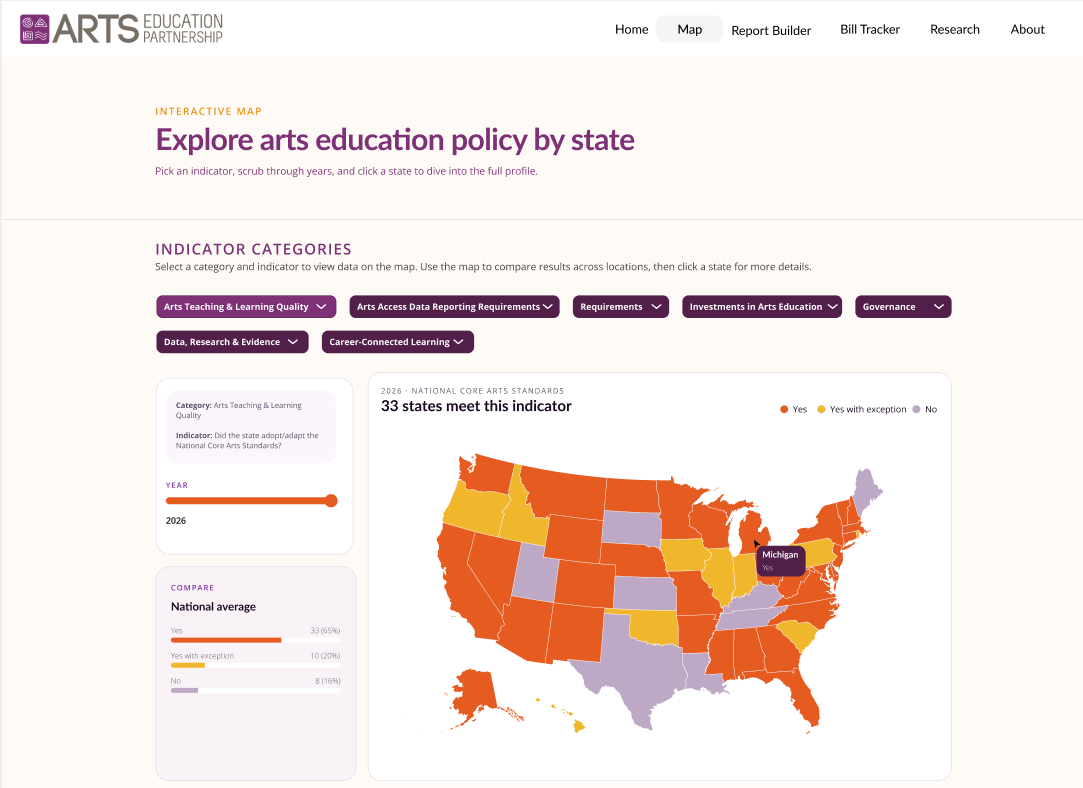
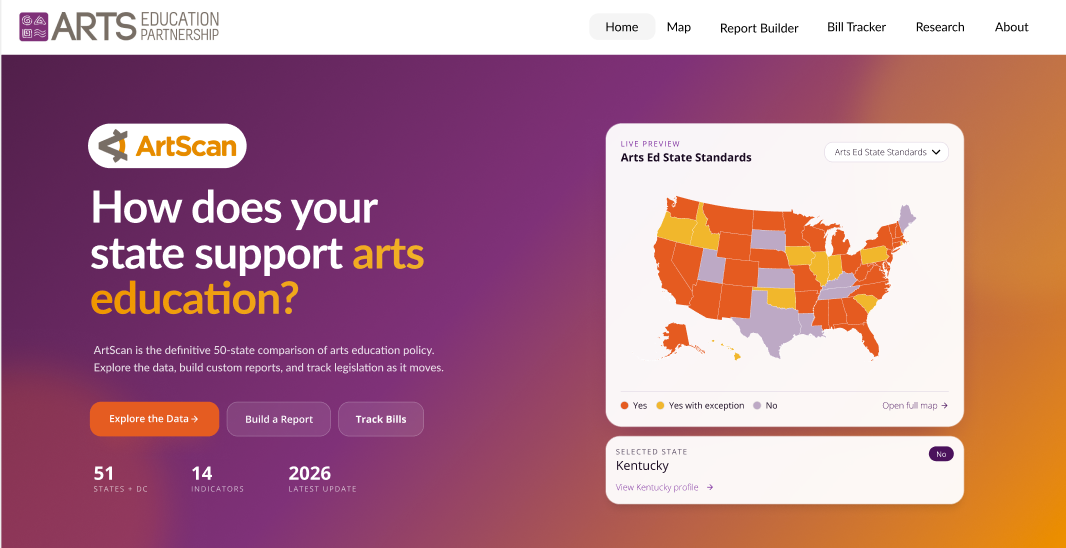
Arts Education Partnership (AEP) is a national network of more than 200 organizations dedicated to advancing arts education. ArtScan is AEP's online policy platform that enables educators, advocates, policymakers, and researchers to explore arts education policies across all 50 states.
AEP hired Parliament to reconceive of and design a modernized, expanded version of ArtScan. Parliament led a full UX/UI redesign, including user journey development, navigation strategy, wireframing and prototyping, design system creation, and accessibility and usability review.
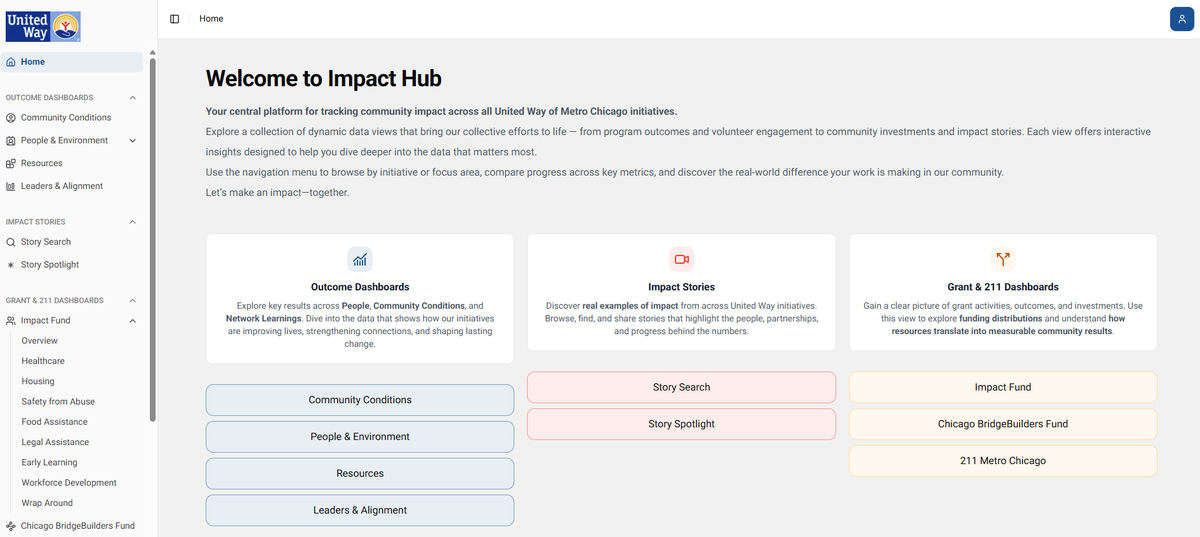
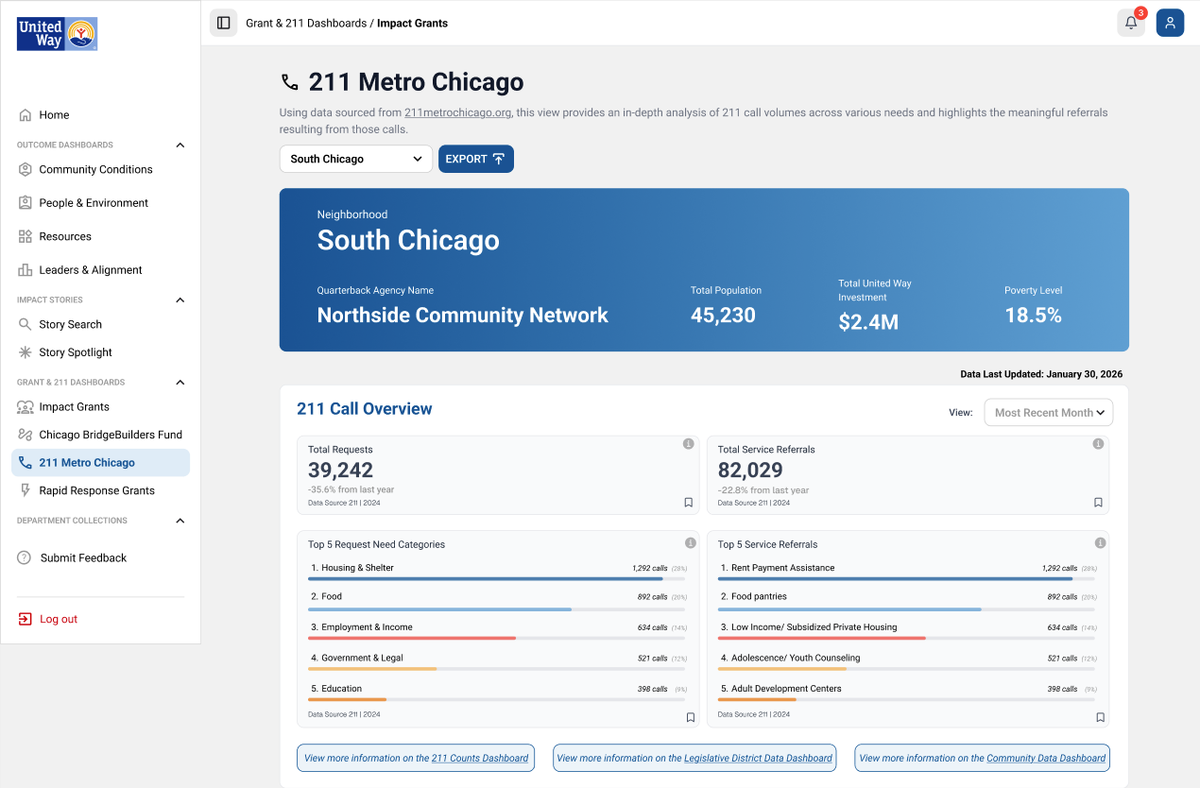
United Way of Metro Chicago sought to rethink the way they learned from, understood, and communicated about the impact of the work they support across Metro Chicago.
Parliament launched the Impact Hub, a data storytelling platform that integrates internal reporting with external community data to provide comprehensive local and regional insights. The platform translates complex, multi-source data into actionable intelligence for strategic decision-making.
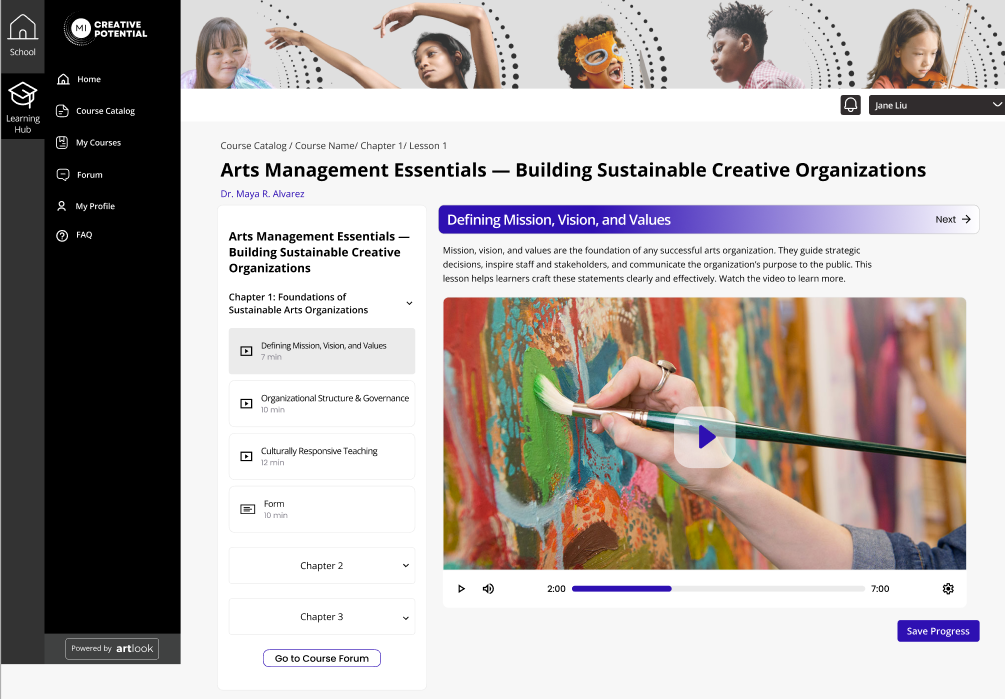
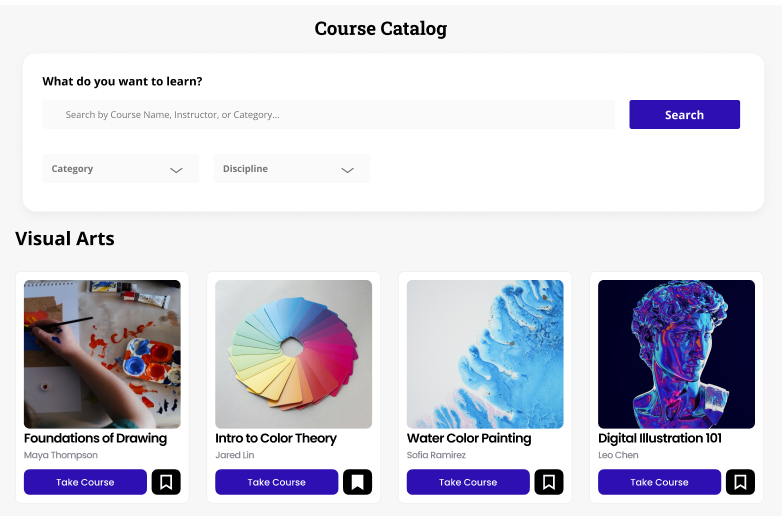
The Michigan Assessment Consortium (MAC) sought to build a custom Learning Management System as an additional module within the existing artlook® Michigan platform (a web interface and data system that Parliament designs, owns, and manages).
Parliament led the full lifecycle of the product, from early-stage prototyping and UX exploration through iterative design reviews, technical build, and final launch of a scalable, responsive LMS integrated directly into the artlook ecosystem. The design approach was grounded in UX/UI principles focused on simplicity, clarity, and ease of engagement.
If the K1C team would like further perspective on our approach to partnerships and/or the quality of our work, please feel free to reach out to: